General rules on responding to feedback
Positive or negative, there is a lot of value in responding to feedback. The individual outcome might be retention in one case and referrals in the other. Both are pillars to driving growth for your business.
Let's take a look at some best practice and general rules on responding to feedback, regardless of your client experience and his/her feedback being positive or negative.
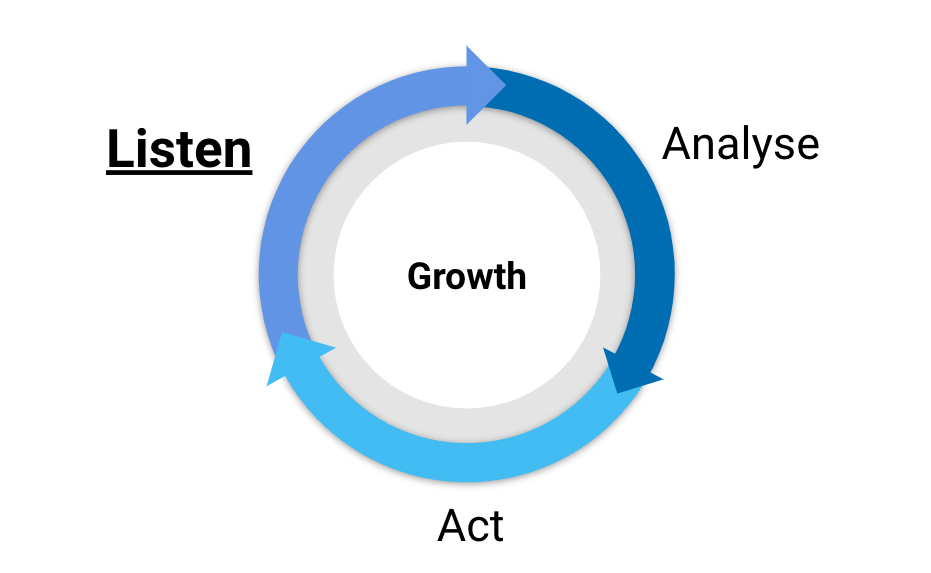
Listen and analyse carefully
The reason why people provide feedback in the first place is because they want to be heard. And sometimes that is the only thing that really matters to them. So pay attention, listen and analyse carefully what the feedback and feeling shared with you is about.
Respond promptly
Negative feedback especially demands a swift reply and resolution to show care and action from the business.
Don’t be a robot
It can be tempting to respond to them with canned responses, but resist this temptation. Including some sort of personal detail in each response is the best.
Respect and maintain anonymity
Tenants have the opportunity to keep their feedback anonymous. This is designed so you get real engagement and insight, despite the power imbalance felt by some tenants who fear repercussions of giving honest feedback.
Regardless of the anonymity status of feedback, you can always respond to it.
Based on the content of the feedback made by a tenant choosing to take the survey anonymously, it may be obvious to you who that person is (and it often is). However, always respect anonymity and don’t be too specific in your response: for example do not name the person you identified as the survey respondent.
Be personal, yet professional
It can be a good idea to respond by using the survey respondent’s name, unless the feedback is anonymous.
This is a subtle, personal touch that can help set the tone of your response, whether it is positive or negative.
But keep in mind that you aren’t having a simple chat with a friend, you are leaving a semi-permanent statement that will continue to reflect on your company long after the original issue has long been forgotten. Maintaining professionalism is key. You need to balance that professionalism with bringing a sense of your company’s personality.

